The Kwakwa̱ka̱ʼwakw People of Southeast Canada

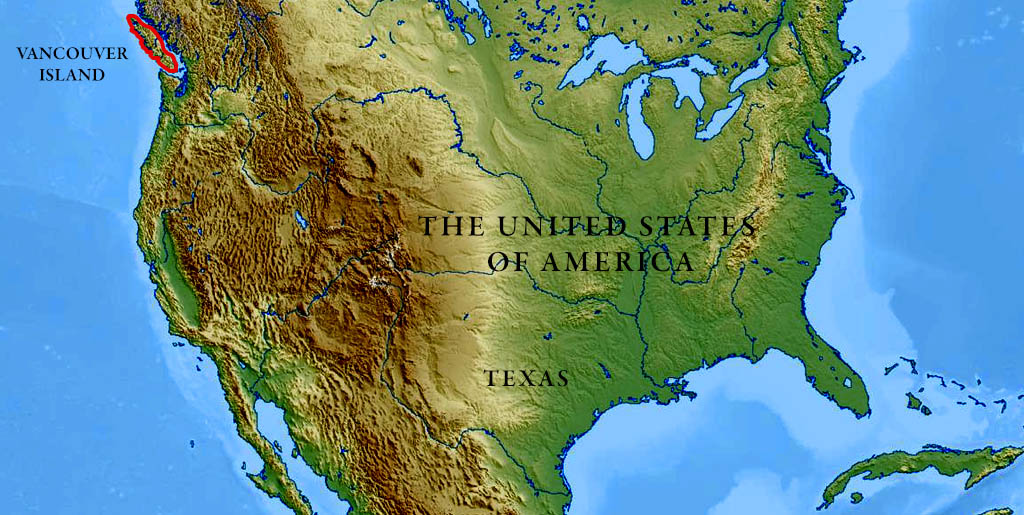
The Kwakwaka'wakw peoples are traditional inhabitants of the coastal areas of northeastern Vancouver Island and mainland British Columbia. In the 2016 census, 3,670 people self-identified as having Kwakwaka’wakw ancestry.

Life before European Contact

Archaeological evidence shows habitation in the Kwak’wala-speaking area for at least 8,000 years. Before contact with Europeans, Kwakwaka'wakw fished, hunted and gathered according to the seasons, securing an abundance of preservable food. Consequently, this allowed them free-time to return to their winter villages for several months of intensive ceremonial and artistic activity.

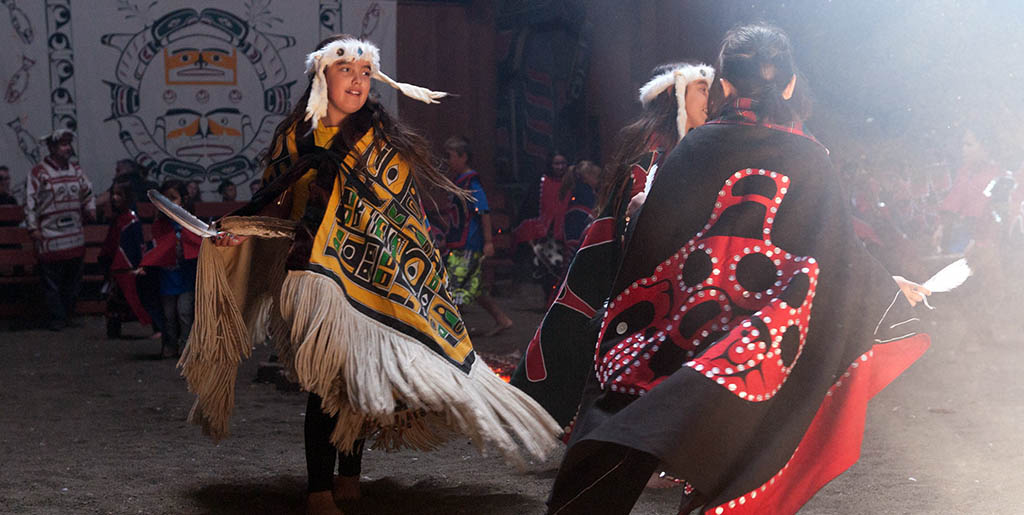
The potlatch is a ceremony that the Kwakwaka'wakw and some other Indigenous nations in British Columbia have been hosting since well before European contact. A potlatch is a ceremonial feast marked by the host's lavish distribution of gifts or sometimes destruction of property to demonstrate wealth and generosity.

In 1884, a federal law (Canadian) known as the Indian Act prohibited the potlatch. The goal was to encourage assimilation of the indigenous people into European culture and Christianity. Ultimately, the law threatened to destroy Kwakwaka'wakw culture. In 1921 a large potlatch at Village Island resulted in the arrest of 45 people. Twenty-two were imprisoned; their ceremonial goods confiscated. The Indain Act remained in the Canadian legal code until 1951. The ritual masks and other ritual objects wrongfully taken were returned to the Kwakwaka'wakw in 1967.
Art of the Kwakwaka'wak

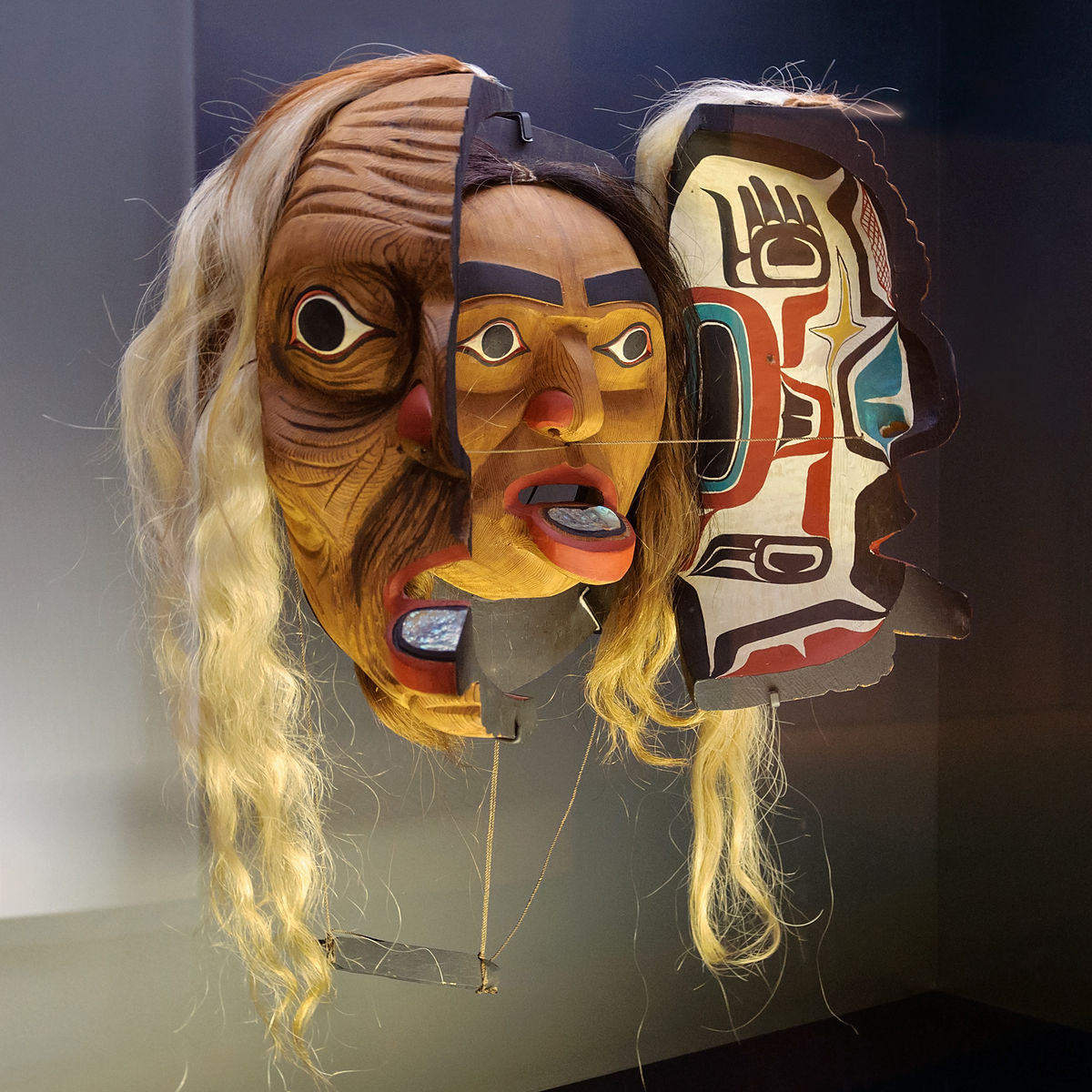
Kwakwaka'wakw art encompasses a wide variety of woodcarving, sculpture, painting, weaving and dance. Kwakwaka'wakw arts are exemplified in totem poles, masks, wooden carvings, jewelry and woven blankets.

The masks of the Kwakwaka’wakw were owned by certain individuals who alone had the right to wear them. Some masks were inherited and represented a mythological ancestor of the family of clan who, as a  supernatural being, came from the sea or sky and assumed human form. The grotesqueness of the masks is partially due to the original supernatural aspects of the ancestor. These masks were worn when dancing during feasts at any time of the year.

The Inspiration for a NFL Team Logo

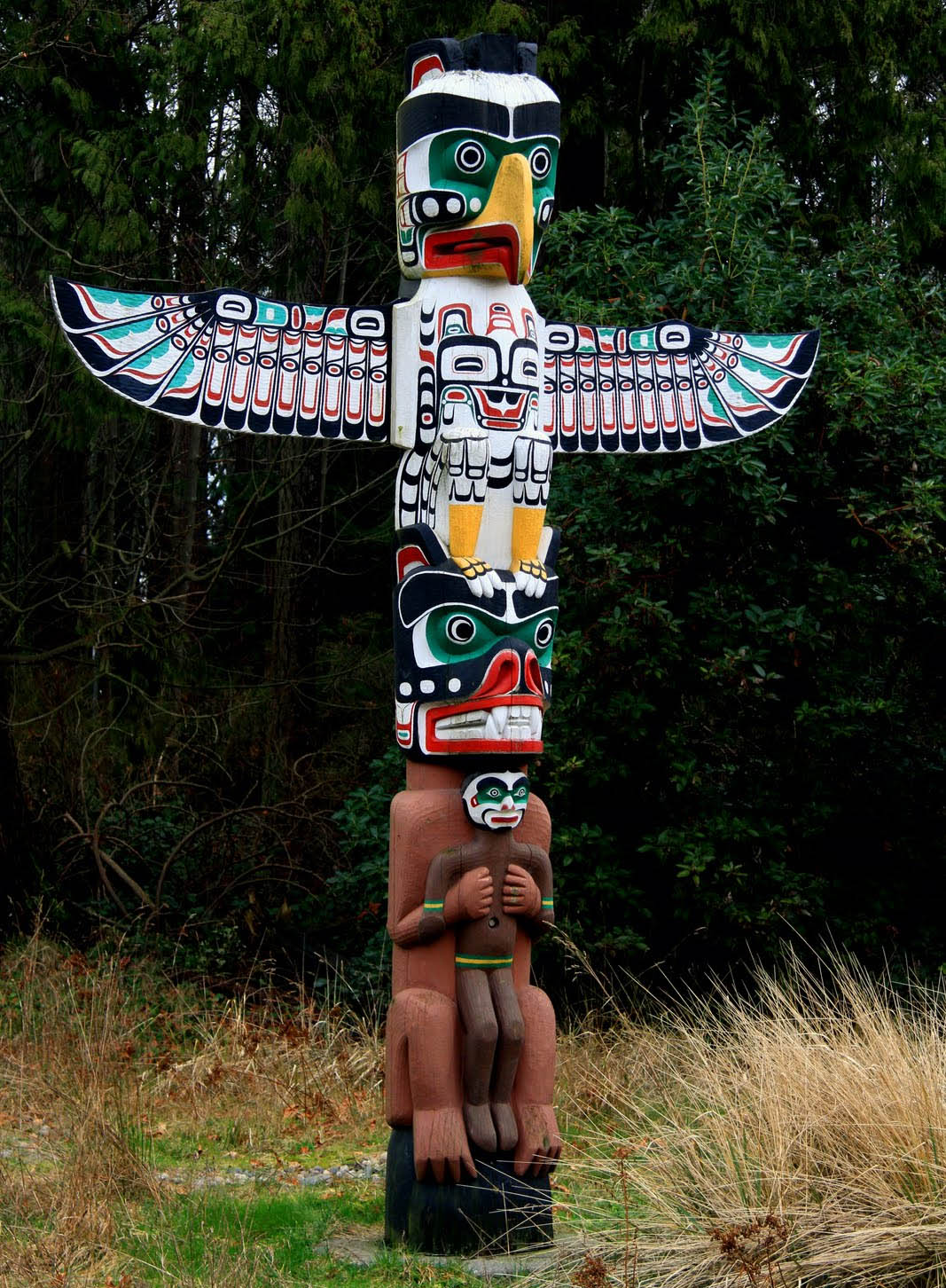
Totem poles are poles or pillars carved and painted with symbols or figures. They are usually made from large trees, mostly western red cedar, by First Nations and indigenous peoples of the Pacific Northwest coast from Washington State up to Southeast Alaska.

There are seven principal kinds of totem pole: memorial poles, erected when a house changes hands to commemorate the past owner and to identify the present one; grave markers; house posts, which support the roof; portal poles, which have a hole through which a person enters the house; welcoming poles, placed at the edge of a body of water to identify the owner of the waterfront; mortuary poles, in which the remains of the deceased are placed; and ridicule poles, on which an important individual who had failed in some way had his likeness carved upside down.

Early video recording of the Kwakwaka'wak by Edward Curtis

In 1914, photographer Edward Curtis created "In the Land of the Head Hunters," a silent film fictionalizing the world of the Kwakwaka'wakw peoples. The film combines many accurate representations of aspects of Kwakwaka'wakw culture, art, and technology from the era in which it was made with a melodramatic plot based on practices that either dated from long before the first contact of the Kwakwaka'wakw with people of European descent or were entirely fictional.

Some aspects of the film do have documentary accuracy: the artwork, the ceremonial dances, the clothing, the architecture of the buildings, and the construction of the dugout (or war canoe) reflected Kwakwaka'wakw culture.

Other aspects of the film were based on the Kwakwaka'wakw's orally transmitted traditions or on aspects of other neighboring cultures. The film also accurately portrays Kwakwaka'wakw rituals that were, at the time, prohibited by Canada's Indian Act, enacted in 1884 and not rescinded until 1951.

Back